
Snacks That Aid Weight Loss: Essential Guide
Intro
In the hustle and bustle of daily life, it’s easy to reach for snacks that are more about convenience than nutrition. However, when it comes to weight loss, the choices we make in between meals can significantly impact our journey. The right snacks won’t just satisfy hunger; they can also enhance metabolism, curb cravings, and provide essential nutrients.
Exploring this topic may seem straightforward, yet navigating the snack aisle with an eye for weight loss can be tricky. Many think that to lose weight, they must abstain from snacking entirely. This misconception often leads to feelings of deprivation, which can backfire, leading to overindulgence later on. Instead, we’ll delve into how certain snacks can act as allies in your weight loss endeavor.
We will cover a variety of options that hide health benefits within their deliciousness. From fruits and veggies to nuts and whole grains, each snack option has unique properties that can assist with maintaining or losing weight without sacrificing flavor. This guide will not only help in identifying those snacks but also share insights on how to prepare them effectively and incorporate them into your daily routine.
With an understanding of practical tips and mindful snacking practices, readers are better equipped to make choices that align with their health goals. Let’s embark on this journey towards smarter snacking, ultimately leading to a healthier lifestyle.
Understanding Weight Loss and Snack Choices
In the grand tapestry of health and wellness, understanding weight loss alongside snack choices weaves an intricate narrative. Many individuals embark on the journey of shedding pounds, yet may overlook the crucial role snacks play within their regimen. Far too often, snacks are considered mere indulgences or points of weakness. However, when selected mindfully, snacks can morph into powerful allies in the battle against excess weight.
The connection between weight loss and snack choices is fundamental. We live in a world where hunger strikes can happen at any moment: late-afternoon slumps, mid-morning cravings, even evening boredom can lead us to reach for food. It’s within these moments that our choices can either hinder or facilitate our weight loss efforts. Snacks shouldn't be a source of guilt but rather a means to remain satiated and engaged in a healthy lifestyle. Mindful snacking helps not only to curb excessive hunger but also to maintain energy levels throughout the day.
So, what does it mean to choose snacks that support weight loss? First and foremost, it requires a comprehensive understanding of what constitutes a healthy snack. Nutrient-dense foods rich in fiber and protein, for example, can keep hunger at bay while providing essential nutrients. This is particularly important for those aiming to reduce caloric intake without sacrificing nutrition.
The Science of Weight Loss
When we peel back the layers of weight loss, we find that it transcends the simplistic notion of calories in versus calories out. The science of weight loss is steeped in metabolic processes, hormonal signals, and individual biochemistry. For instance, the caloric deficit concept, albeit fundamental, deserves a thorough examination. It’s not only about how many calories one consumes but also how the body processes and utilizes those calories.
Weight loss is influenced by a network of hormones, such as insulin, ghrelin, and leptin. Ghrelin, known as the hunger hormone, signals to the brain when it's time to eat, while leptin provides the
Nutritional Principles Behind Weight Loss Snacks
Understanding the nutritional principles that underpin the snacks chosen during a weight loss journey is key. This section provides insights into how thoughtful snack choices can contribute to effective weight management. While cravings are a natural part of the human experience, aligning those cravings with snacks that support weight loss can offer a dual benefit: satisfying the desire to snack while simultaneously aiding one's health goals.
When selecting snacks, it's essential to focus on their composition. Snacks can be made or broken by their nutritional content. Skimming through the nutritional labels or checking out ingredients can yield a wealth of insight about what you’re indulging in. Poor choices could lead to consuming empty calories that do nothing but add pounds. On the other hand, well-planned choices serve as not only fuel but as powerful allies in the journey towards a healthier lifestyle. This consideration sets the stage for a deeper dive into the foundational aspects of effective snacking.
Macronutrient Balance: Proteins, Fats, and Carbohydrates
A significant factor when choosing snacks is how they balance proteins, fats, and carbohydrates. Each macronutrient has its unique role in the body:
- Proteins are vital for muscle repair and growth. They also help in prolonging the feeling of fullness, reducing the likelihood of bingeing later on. Consider grabbing some hard-boiled eggs or a Greek yogurt mix, which can be practical and beneficial.
- Healthy fats, like those found in avocados and nuts, provide essential fatty acids and promote satiety. It is the balance that counts here; while fats are calorie-dense, incorporating them smartly can ward off hunger for longer periods.
- Carbohydrates are often cast in a bad light, but whole carbs, particularly those high in fiber, are integral. Foods such as fruits and whole grains not only deliver energy but are also crusaders for digestive health and sustained energy levels.
A snacking strategy that achieves a good balance among these macronutrients gives you the best of all worlds—sustained energy, reduced cravings, and enhanced nutrition – crucial for keeping that weight off.
Fiber's Influence on Satiety and Digestion
Fiber is the unsung hero of snacks. Incorporating high-fiber foods not only supports digestive health but also influences feelings of hunger. Fiber-rich snacks such as fresh fruits, vegetables, or whole-grain products expand in your stomach and slow down digestion. This means you feel full longer. A satisfying crunch might just do the trick – think of carrot sticks or cucumber slices, for instance. These foods not only refresh but also curb appetites effectively.
Moreover, a fiber-rich diet can prevent constipation and help maintain a healthy bowel. Getting diverse sources of fiber ensures that you not only feel full but also contribute positively to your overall health.
Quick Tips for High Fiber Snacking:
- Include whole fruits, not juices.
- Opt for whole grain bread or crackers.
- Snack on vegetables with hummus or a dip.
The Importance of Nutrient-Dense Foods
In the world of weight loss, nutrient-dense foods take center stage. These foods provide more vitamins, minerals, and beneficial compounds relative to their caloric content. The idea is to eat less but get more nutrition. Fruits, vegetables, seeds, nuts, and whole grains are prime examples of nutrient-dense options. They provide the body with essential nutrients without loading up on unnecessary calories.
When making choices, prioritize snacks that promote overall health while ensuring that caloric intake stays in check. For instance, zipping through a sugary snack might feel gratifying for a minute but often results in a crash and subsequent cravings. On the contrary, snacking on a handful of almonds or mixed berries yields sustained energy and helps maintain a positive dietary outlook.
"It's not what you eat, but how it contributes to your overall health that counts."
Ultimately, every small choice accumulates to make a significant difference. By honing in on the nutritional principles of snacking, individuals can empower themselves to make more informed choices that align with their weight loss goals.
Types of Snacks That Support Weight Loss
When it comes to weight loss, snacks can play a surprisingly pivotal role. Sometimes, the key to shedding those extra pounds lies not just in meals, but in what you munch on in between. Choosing the right snacks can provide vital nutrients, stave off hunger, and even boost metabolism, making them powerful allies in achieving weight-loss goals. Understanding which snacks fit the bill can help you balance cravings and nutritional needs efficiently while keeping hunger pangs at bay. In this section, we delve into types of snacks that align well with a weight loss regimen—those that not only satisfy but also support the journey towards a healthier you.
High-Protein Snacks
Protein has earned a reputation as a weight loss champion. When you consume protein, it tends to keep you feeling full longer than carbohydrates or fats do. Incorporating high-protein snacks into your regimen can help in muscle maintenance and recovery too—essential components of any weight loss strategy.
Greek Yogurt Variations
Greek yogurt is a rising star in the world of healthy snacking. The high protein content is a standout feature. It's not just a light snack; it packs a punch with its creamy texture and tart flavor, making it versatile. You can dress it up with fruits, nuts, or even a drizzle of honey for sweetness. This snack is beneficial because it enhances satisfaction levels, reducing the likelihood of binge eating later. Moreover, it is probiotic, which supports gut health. However, one must check for added sugars in flavored varieties, which might tip the scales back a little.
Hard-Boiled Eggs
Hard-boiled eggs are incredibly simple yet effective. One egg contains about six grams of protein and healthy fats, making it an ideal quick snack. Besides being portable and filling, they are also rich in essential vitamins and minerals. Eggs generally aid in weight loss owing to their protein content and healthy fat, which promote satiety. They do come with cholesterol, but for most individuals, they can be a safe and nutritious option when consumed in moderation.
Protein-Rich Smoothies
Smoothies often serve as a delicious way to up your protein intake—especially if you are on the go. By blending in protein powder, yogurt, or even silken tofu, smoothies become a filling snack brimming with possibilities. They can incorporate fruits and greens, providing fiber and vitamins while satiating your cravings. Just blend your favorite ingredients and you’re all set. However, be careful with portion sizes to avoid creating a calorie bomb alright? Keep it balanced and let the protein work for you.
Fruits and Vegetables: Nature's Snacks
Fruits and vegetables are like nature's candy. They offer robust nutrition in a low-calorie package, making them ideal for weight loss snacking. The high water and fiber content help keep you full, while vitamins and antioxidants offer protective health benefits. You can’t go wrong with these all-natural snacks that bring flavor to the table without guilt.
Raw Veggie Sticks with Hummus
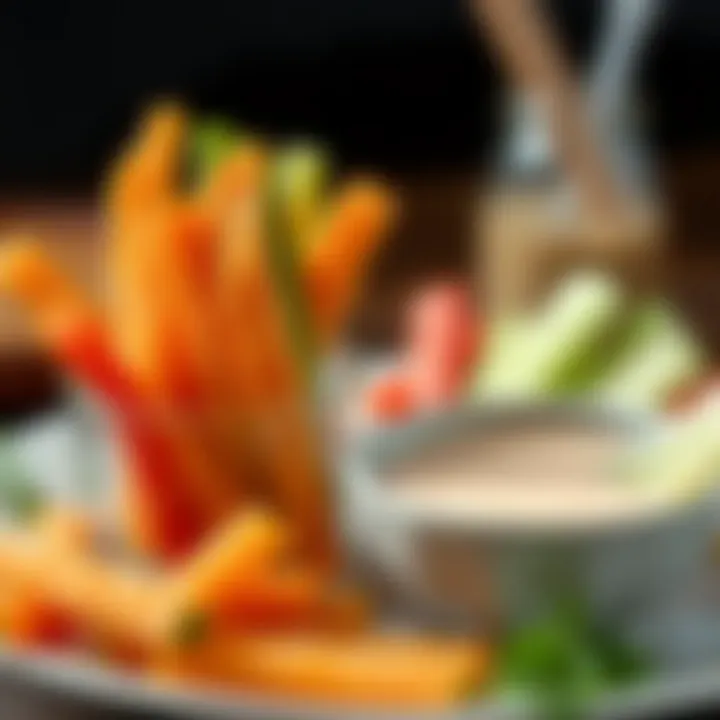
Raw veggie sticks paired with hummus create a crunchy and satisfying snack. Carrots, cucumbers, and bell peppers not only provide essential vitamins but also come with a crisp texture that makes munching enjoyable. Hummus, made from blended chickpeas, has healthy fats and proteins. This combo checks all the boxes—increasing fullness, adding fiber, and bringing flavorful satisfaction to your palate. Be wary, though, of portion sizes, especially with hummus since it's calorie-dense of a dip due to its tahini content.
Apple Slices with Nut Butter
Nothing says snack time quite like apple slices smeared with nut butter. This delightful snack balances carbs and proteins effectively, making it filling and sweet. Apples add fiber and hydration, while nut butter provides healthy fats and protein. This dual approach helps regulate blood sugar levels. Nevertheless, make a note about portion control; nut butter is nutritious but very caloric, so a modest spread does the trick.
Berry Mixes for Antioxidants
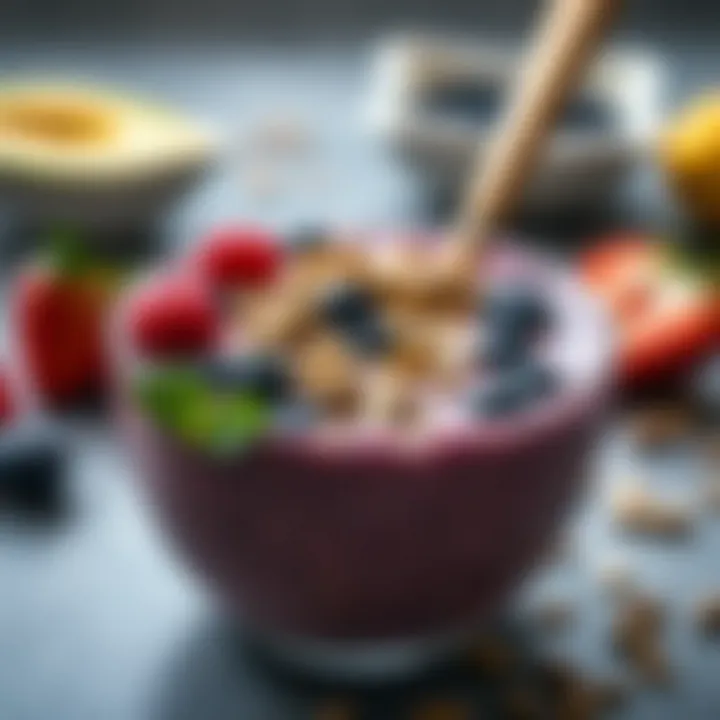
Berry mixes pack a wallop of antioxidants. From strawberries to blueberries, these juicy gems are not just tasty but also brim with vitamins and minerals. They have a low glycemic index, which means they release sugar slowly into the bloodstream while keeping cravings in check. The downside? They might not be as filling on their own, so it’s often best to mix them into yogurt or oatmeal for a truly satisfying snack.
Healthy Fats: A Necessary Component
Healthy fats are critical for overall health and also play a role in weight management. Incorporating healthy fats into your snacks can promote fullness and enjoyment without compromising your weight loss goals. They provide essential fatty acids necessary for optimal body functioning and help your body absorb fat-soluble vitamins.
Avocado Toast
Avocado toast has taken the health world by storm. Creamy and rich, the avocado is full of monosaturated fats that are heart-healthy. Spread on whole-grain bread, this snack is not only delicious but also offers fiber and a host of vitamins. Topping it with a sprinkle of salt, pepper, or even a poached egg can amp up the flavor and nutrition profile. On the flipside, due to avocados being calorie-dense, moderation is key to avoid overdoing it.
Nuts and Seeds for Nutritional Density
Nuts and seeds are often referred to as power-packed snacks. They come loaded with protein, fiber, and healthy fats. This makes them a compact source of energy and nutrition. The uniqueness of these snacks lies in their crunchy textures and diverse flavors. A handful can fill you up, preventing unwanted cravings. Watch out for the portion sizes, as it’s easy to consume more calories than planned when snacking on nuts.
Dark Chocolate in Moderation
Dark chocolate is a surprising yet effective inclusion for weight loss. It's rich in antioxidants and can satisfy your sweet tooth without leading to significant sugar spikes. Choose varieties with at least 70% cocoa to maximize health benefits. It’s a treat that brings pleasure while being aware of the need for moderation; consuming too much can lead to excess calorie intake. A small piece after a meal can provide a sense of satisfaction and prevent cravings from leading to indulgent snacking later on.
The Role of Hydration in Weight Loss Snacking
Hydration plays a pivotal role in any weight loss strategy, as it not only supports bodily functions but also bridges the gap between hunger and thirst. In a world where snacks are often perceived as culprits in weight gain, understanding how hydration intertwines with snacking can empower individuals to make more informed choices. Staying hydrated can help control appetite, thus reducing the likelihood of overeating. Many times, what we interpret as hunger is simply our body's way of signaling thirst. During weight loss efforts, incorporating hydrating snacks can keep the body fueled without the extra calories that often accompany traditional snacks.
Understanding the Hydration Spectrum

When we talk about hydration, it’s not just about drinking water, although that is vital. The hydration spectrum encompasses a range of beverages and foods that contribute to fluid intake. This includes herbal teas, infused waters, and fruits and vegetables high in water content.
- Water: The gold standard when it comes to staying hydrated.
- Fruits: Foods like oranges, strawberries, and cantaloupe are composed largely of water.
- Vegetables: Cucumbers, bell peppers, and lettuce stand out for their hydration properties.
Understanding this spectrum allows for more creative ways to integrate hydration into a weight loss plan, particularly through snacks that are not only satisfying but also contribute to daily hydration goals.
Hydrating Snacks: Options to Consider
Cucumbers and Watermelon Benefits
Cucumbers and watermelon are standout options when we consider hydrating snacks. These foods are predominantly made of water—cucumbers consist of about 95% water, while watermelon is about 92%. Both offer unique advantages:
- Low in Calories: This makes them excellent choices for weight loss.
- Rich in Nutrients: Watermelon, for instance, provides vitamins A and C, while cucumbers include antioxidants.
However, while they are beneficial snacks, it's essential to consume them fresh to maximize their hydration benefits. Unlike processed snacks, these whole foods give the body water in its natural state, which is crucial for optimal hydration.
Smoothies as Hydration Sources
Smoothies are another way to blend hydration with nutrition. When crafted with the right ingredients, they can serve as a full-on meal replacement or a refreshing snack. The key components to consider are:
- Fruits and Vegetables: Incorporating leafy greens, berries, or bananas can ramp up the hydration factor.
- Liquid Base: Using coconut water or almond milk instead of sugary juices can enhance hydration while reducing calories.
A unique feature of smoothies is versatility—they can be tailored to individual preferences without losing their hydrating properties. The downside is that if not monitored for portion sizes, smoothies can inadvertently escalate in calorie count, particularly with the addition of high-calorie ingredients.
Broths and Soups
Broths and soups can also be excellent hydrating snacks. Their water-base makes them low in calories yet filling. Broths made from vegetables or lean meats can be both satiating and hydrating.
- Variety: There’s a broad range of flavors and ingredients to choose from, making it easy to keep it interesting.
- Heat and Comfort: Warm liquids can also bring a sense of comfort, which might help reduce cravings for heavier meals.
That said, it’s crucial to be wary of sodium levels in store-bought broths. High sodium can lead to bloating, which counteracts the intended benefits of hydration. Making homemade broth allows control over ingredients, ensuring a healthier choice.
"Integrating hydrating snacks into your diet can be the key to not just quenching thirst, but also managing cravings effectively."
In summary, recognizing and utilizing hydrating snacks can assist in weight loss by providing a dual benefit of hydration and satisfaction. By opting for cucumbers, watermelon, smoothies, and broths, individuals can enjoy flavorful snacks while remaining mindful of their hydration needs.
Creating Your Own Weight Loss Snacks
Creating your own weight loss snacks is not just about feeding your body; it’s about fueling it in a way that aligns with your health goals. This chapter simplifies the process of crafting snacks that are nutritious, satisfying, and tailored to your taste. The ingredients you choose can help manage hunger levels, boost energy, and even speed up metabolism. By preparing your snacks, you can avoid the pitfalls of processed foods that are often high in sugars, unhealthy fats, and other additives. Moreover, home-made snacks empower you to control portion sizes and ensure that you are consuming the right nutrients.
Simple Recipes to Experiment With
DIY Trail Mix Combinations
DIY trail mix is like a blank canvas for flavor and nutrition. You can mix and match nuts, seeds, and dried fruits to create a blend that suits your craving and nutritional needs. The beauty of trail mix is its flexibility; you can include your favorite ingredients such as almonds, walnuts, pumpkin seeds, and dried cranberries or apricots. These combinations are a powerhouse of protein and healthy fats, making them ideal for keeping you full longer.
One potential downside is the calorie-density of nuts. If portion sizes aren’t mindfully controlled, it could lead to excessive calorie intake. However, when made with care, DIY trail mix is a practical choice that aligns well with a weight-loss strategy.
Smart Snack Bars That Satisfy
Smart snack bars are handy and convenient, especially for those who are always on the go. You can prepare them with whole grains, nuts, and natural sweeteners like honey or maple syrup. This allows you to bypass the often unwholesome ingredients found in commercial bars. Not only are they customizable to your taste preferences, but they can also provide a reliable source of energy that fuels your day.
However, keep in mind that making them at home can be tricky in terms of achieving the right balance of taste and texture. Too much dry ingredient can lead to chalky bars, while excessive liquid can make them too gooey. But when perfected, these bars become a staple in a weight loss journey, offering a sweet yet healthy treat.
Quick and Easy Energy Bites
Quick and easy energy bites are a fantastic snack for anyone needing a swift pick-me-up. Typically made from oats, nut butter, and a sweetener, these morsels pack a nutritional punch without demanding a lot of time in kitchen prep. They are especially beneficial for a last-minute snack before or after workouts, ensuring that you stay energized and satisfied.
The standout feature of energy bites is how easily they can be tailored – you can add in chocolate chips, chia seeds, or protein powder to meet your specific requirements. Their major disadvantage, much like with other homemade snacks, is the balance of ingredients. Miscalculating ratios can lead to texture issues or overwhelming flavors. Echoing the idea of experimentation, finding the perfect recipe will lead to a satisfying and guilt-free snack.
Using Whole Ingredients for Healthier Choices
When turning to whole ingredients for your snacks, you are making a choice that notably increases the quality of the food you consume. Whole foods are less processed, therefore they retain more nutrients, flavor, and fiber. Foods such as whole grains, fresh fruits, and vegetables provide the vitamins and minerals necessary for optimal health. Emphasizing the use of whole ingredients isn’t just about the health aspects, but also about reconnecting with what you eat; it encourages a mindful approach to snacking.
Choosing whole foods helps create a more meaningful eating experience, catering to both your cravings and your body’s needs, which is essential for anyone—whether you’re just starting on your weight loss journey or well on your way.
Cautions and Considerations for Snacking While Losing Weight
When embarking on a journey to lose weight, the act of snacking can hold both promise and peril. It’s essential to approach snacking with a mindful perspective, as it can either support your weight loss goals or derail them entirely. Understanding the consequences of your snacking choices enables a more strategic approach to eating, which can ultimately lead to sustained health benefits.
Mindfulness in Snacking
Mindfulness in snacking is akin to a compass guiding you through uncharted waters. Instead of munching mindlessly while binge-watching your favorite series or absent-mindedly tossing back treats at festive gatherings, being mindful encourages you to savor each bite. It’s about tuning into your body’s signals and recognizing hunger cues, distinguishing between true hunger and the desire to snack out of boredom or stress.
Engaging fully in the snacking experience can transform it into a pleasurable ritual rather than a guilty habit. Consider this: sit down with your snack, breathe deeply, and let yourself appreciate the flavors and textures. Not only does this slow down the eating process, which can enhance satiety, but it also fosters a healthier relationship with food.
Avoiding Common Snacking Pitfalls
While snacking can be a valuable ally in your weight loss journey, it's easily turned into a foe if you fall prey to certain pitfalls. Here are two key traps to be wary of:
Mindless Eating Traps
Mindless eating traps are all around us, waiting to ambush those who aren’t aware. When you eat without paying attention to what you're consuming, whether it's during a movie or while scrolling through social media, the act often leads to overconsumption. The key characteristic of these traps lies in their subtlety; they often spring up when you’re distracted, making one unaware of the quantity and quality of food consumed.
This may seem benign, but the implications can stack up against your weight loss efforts. Eating through a bag of chips, for instance, may have you unwittingly consume far more calories than you’d intended. The advantages of avoiding these traps include maintaining better portion control and enhancing awareness of your body's satiety signals. To counteract this, try pre-portioning snacks or choosing more engaging eating environments where you can focus solely on your meal.
Emotional Eating Awareness
Emotional eating is another significant barrier that can sabotage your weight loss endeavors. This refers to the practice of turning to food for comfort during times of stress, sadness, or even boredom, rather than addressing the underlying emotions. Recognizing emotional eating is vital because it encompasses a deep-seated behavior that often leads to unhealthy choices, such as sugary snacks or highly processed treats.
The key characteristic here is emotional stimulus—it’s how emotions lead you to the kitchen or the nearest convenience store. Understanding this can pivot your focus from external pressures back to internal needs. A unique feature of addressing emotional eating is that it empowers you to find alternative coping mechanisms, whether via journaling, exercise, or talking to a friend. By fostering emotional awareness, you can better navigate your relationship with food, making informed choices that align with your weight loss goals.
Emphasizing a mindful approach, while understanding the emotional ties to eating, lays the foundation for a more successful and healthier journey to weight loss.
"Mindfulness and awareness in snacking are not merely tools; they set the stage for a healthier relationship with food."
By recognizing both mindless eating traps and emotional eating patterns, individuals can hone their skills in making deliberate snack choices that nurture both health and personal satisfaction.
Final Thoughts on Snacking Strategically
As we wrap up this comprehensive guide, it's clear that snacking isn't just a casual indulgence; it's a strategic element of weight loss when approached thoughtfully. The importance of incorporating well-chosen snacks into a balanced diet can’t be overstated. These snacks can provide essential nutrients, curtail cravings, and help sustain energy levels throughout the day. This strategy shifts the focus from restrictive dieting to a more embracing lifestyle where satisfaction and health coexist harmoniously.
When done right, snacking can prevent hunger pangs that often lead to overeating. Think of it as a bridge between meals that keeps your metabolism humming and your spirits high. The right combinations of proteins, fats, and fiber not only keep you feeling full longer but also equip your body with the tools it needs to burn calories more efficiently. A well-timed snack like a handful of nuts or a piece of fruit can make a world of difference in your daily routine.
"The secret is not in cutting out snacks, but in choosing the right ones that align with your goals."
Incorporating Snacks into a Balanced Diet
To weave snacks seamlessly into a balanced diet, it’s crucial to select options that complement your meal plan rather than derail it. Start by incorporating nutrient-dense foods that provide both sustenance and satisfaction. Think about snacks as tiny meals—aim to include a good mix of macronutrients. For instance, if you grab a piece of cheese, pair it with some whole-grain crackers or fresh fruit. This not only enhances flavor but also keeps your blood sugar levels steady.
Moreover, having a variety of snacks prepared can help you avoid the temptation of impulse eating unhealthy options. Creating a weekly snack plan can be a game changer. For example, prepare small containers of carrot sticks with hummus, sliced apple with almond butter, or a mini vegetable stir-fry ready to munch on. The easier it is to grab a healthier option, the more likely you are to skip those calorie-laden choices that often lurk in the pantry.
Using prep methods like batch cooking and commitment to portion control can also support these choices. Always keep your portion sizes in check to avoid the risk of accidental overindulgence. Remember, even healthy snacks can contribute to weight gain if consumed in excess.
Consistency and Adaptability for Long-Term Success
Building a habit of mindful snacking shouldn't be an inflexible process. As goals, schedules, and preferences can fluctuate, adaptability becomes a core component of sustainable weight management. One day you might feel more inclined toward crunchy textures, while another day may call for something creamy or warm. Embracing this variability can keep your snacking enjoyable rather than a chore.
For long-term success, it's essential to track your progress and be willing to fine-tune your approach. You can start with a consistent routine, but don't shackle yourself with rigidity. Flexibility in your snacking choices can help maintain interest and enthusiasm in your journey toward weight loss. If a certain snack isn’t working for you or doesn’t satiate the way you'd hoped, replace it confidently with something new.
Using this method not only nurtures a healthier relationship with food but also encourages exploration. Do some research on new recipes or ingredients that fit your dietary preferences. As you adapt, remember that your unique body’s responses to different snacks will guide you in tailoring your choices to fit your evolving taste and health needs.