
Understanding the Pancreas: Location and Functions
Intro
The pancreas often flies under the radar in conversations about health, despite its crucial roles in both digestion and blood sugar regulation. Nestled between the stomach and the spine, it is somewhat of a quiet player in the grand scheme of bodily functions. Understanding where it sits and what it does might just illuminate its importance in maintaining our well-being.
This article dives deep into the anatomical placement and the multifaceted functions of the pancreas, emphasizing not just its location but also its connectivity with neighboring organs and its pivotal role in health and wellness.
Key Takeaways
- The pancreas is positioned behind the stomach and is approximately six inches long, shaped somewhat like a fish with the head being thicker, the body more narrow, and the tail tapering off.
- It plays a critical role in digestion by producing enzymes that break down foods, as well as hormones that regulate blood sugar levels, particularly insulin and glucagon.
- Any dysfunction in the pancreas can lead to serious health conditions, such as diabetes or pancreatitis, making its health critical to overall well-being.
Key Statistics:
- Around 1 in 10 adults in the U.S. will develop diabetes at some point in their lives, highlighting the significance of insulin production by the pancreas.
- Pancreatitis affects about 210,000 people annually in the U.S., showcasing the potential complications arising from pancreatic issues.
Practical Tips
To help maintain pancreatic health and prevent potential complications, consider the following actionable steps:
- Balanced Diet: Incorporate a variety of whole foods into your meals. Aim for a rainbow of fruits and vegetables, lean proteins, and healthy fats. Nutrient-rich foods can support the pancreas by providing essential vitamins and minerals.
- Stay Hydrated: Drink plenty of water. Proper hydration is vital for digestion and helps the pancreas function optimally.
- Regular Exercise: Engage in at least 150 minutes of moderate aerobic activity each week. Exercise not only aids weight management but also helps regulate blood sugar levels.
- Limit Alcohol: Excessive alcohol consumption can wreak havoc on the pancreas, so it is advisable to consume it in moderation or to avoid it altogether.
- Monitor Blood Sugar Levels: For those at risk of diabetes or who have a family history, regular monitoring can help detect issues early.
As we continue through this exploration of the pancreas, keep these key points and practical steps in mind; they may prove invaluable in maintaining your health.
Intro to the Pancreas
The pancreas, a remarkably complex organ nestled in the abdominal cavity, plays a pivotal role in both digestion and metabolic regulation. Understanding its anatomy and functions not only sheds light on its essential operations but also underscores its significance in maintaining overall health—an aspect often overshadowed by more prominent organs like the heart or liver.
Importance of the Pancreas
From breaking down food in the digestive process to regulating blood sugar levels, the pancreas is vital to human physiology. It produces digestive enzymes, such as amylase and lipase, that aid the body in absorbing vital nutrients, illustrating its importance in the digestive process. Meanwhile, the endocrine function, primarily through insulin and glucagon production, directly impacts how the body manages energy.
In the context of this article, exploring the pancreas' anatomical placement offers insights that extend beyond mere biological function. A comprehensive look at where the pancreas resides helps us appreciate its interactions with neighboring organs, enriching our understanding of the body's interconnected systems.
The pancreas’ location, tucked away behind the stomach and nestled beside the duodenum, might initially suggest it could remain under the radar of essential bodily functions. However, this positioning allows it to efficiently release enzymes and hormones directly where they are needed, illustrating its function as a responsive element in both digestion and metabolic balance.
Furthermore, considering the pancreas’ anatomical features prepares us to delve deeper into how its structure correlates with its multifaceted roles. The head, body, and tail of the pancreas each contribute to its overall function, creating an intricate design that supports both exocrine and endocrine responsibilities.
Understanding the pancreas becomes even more crucial when we account for common diseases that can arise when it falters, including diabetes and pancreatitis. These conditions highlight the importance of the pancreas in daily well-being and the need for continual awareness regarding its health.
Ultimately, recognizing the pancreas not merely as an organ but as an intricate part of a larger system weaves a narrative that resonates across the fields of health and wellness. A thorough exploration of its anatomy and functions is thus essential for anyone interested in holistic health, diet, or even fitness training. By connecting the dots between its physical placement and physiological roles, this article aims to provide a robust understanding of this key organ.
Anatomy of the Pancreas
Understanding the anatomy of the pancreas is crucial for comprehending its role in human health. As a gland that plays a dual role in both the digestive system and endocrine system, the pancreas significantly impacts our body's processes. It produces vital hormones like insulin and glucagon, which are essential for regulating blood sugar levels. Additionally, it generates digestive enzymes necessary for breaking down carbohydrates, proteins, and fats. Insight into its anatomy lays the groundwork for recognizing how various conditions can affect its function.
Location of the Pancreas
The pancreas is nestled within the upper abdomen and lies transversely across the back of the abdomen. It is strategically located behind the stomach and is situated close to the duodenum, which is the first part of the small intestine. This unique placement allows for efficient secretion of its digestive enzymes into the duodenum, aiding in the digestion of food soon after it leaves the stomach. Being near vital organs like the spleen and liver also emphasizes its interconnected role in digestion and metabolic processes.
Physical Dimensions and Shape
Typically, the pancreas is illustrated as a long, flat gland that resembles a fish in its shape. Measuring about 6 inches in length, it varies in thickness, being wider at the head and tapering off towards the tail. The overall shape contributes to its functional design: a more extensive area at the head accommodates the greater number of enzyme-producing cells while the tail is more slender, incorporating hormone-secreting functions. This distinctive shape aids in its dual roles - both in digestion and hormonal regulation.
Key Anatomical Features
Head
The head of the pancreas is the broader section, accommodating the entrance of the pancreatic duct, where enzymes secreted by the pancreas flow into the duodenum. This anatomy significantly influences the digestive process as it allows for a rapid release of enzymes when food is present in the duodenum. A notable characteristic of the head is its proximity to various blood vessels, including the superior mesenteric artery. This positional advantage ensures effective nutrient transfer and regulation, vital for maintaining metabolic function.
Body
The body of the pancreas serves as the midsection and is responsible for producing a whole range of digestive enzymes. This portion is critical to the overall digestive functions of the pancreas. Noteworthy is its rich supply of blood, which allows for rapid modulation of hormone release, adapting to the body's needs. The body's central position also aids in the regulation of blood sugar levels since it links the head and tail functionalities.
Tail
The tail is the tapered end of the pancreas, extending towards the spleen. This particular anatomy plays a vital role in endocrine functions, specifically the secretion of hormones from the pancreatic islets. The tail consists largely of cells that release insulin and glucagon into the bloodstream. This area’s unique feature is its compact structure, allowing for concentrated hormone synthesis. The proximity to the spleen also contributes to the pancreas's role in overall bodily metabolism.
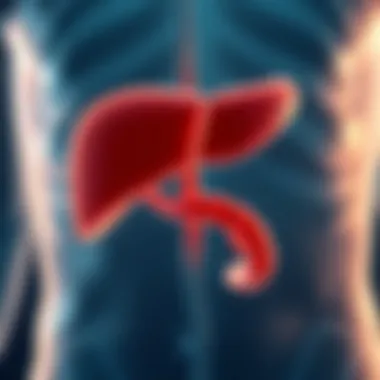
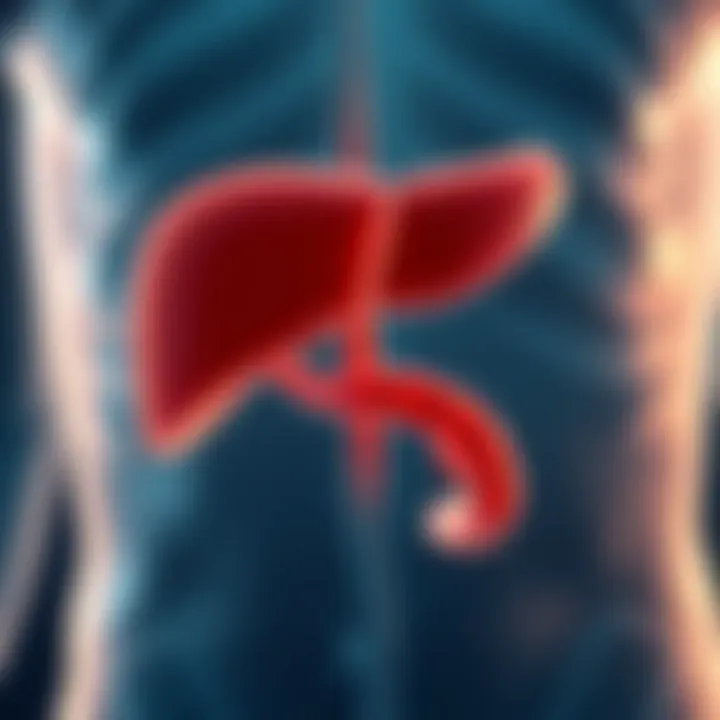
The pancreas is a key player in digestion and blood sugar regulation, with each part serving distinct yet interconnected functions that emphasize its importance in maintaining health.
Understanding the anatomy of the pancreas is essential to grasp its diverse functional roles in the body. A deeper look at its placement, dimensions, and key features paints a comprehensive picture of why this organ is often overlooked in discussions about human health.
Pancreatic Relationships with Surrounding Structures
Understanding how the pancreas interacts with nearby organs sheds light on its multifaceted role in the human body. The pancreas doesn't act in isolation; instead, it is intricately linked to structures like the stomach, duodenum, liver, and gallbladder. These relationships are vital, not only for the digestive process but also for overall metabolic functions.
The proximity of these organs can significantly influence pancreatic health. A functional pancreas helps digest food, regulate hormones, and maintain sugar levels in the blood. If any of its relationships with surrounding structures becomes disrupted, it could result in various health issues, highlighting the significance of these anatomical connections.
Relation to the Stomach
The pancreas lies just behind the stomach, nestled against the posterior abdominal wall. This positioning means that the pancreas can efficiently coordinate with the stomach during digestion. When food enters the stomach, the stomach releases gastric juices, which in turn signal the pancreas to unleash its digestive enzymes into the small intestine through the duodenum.
This communication is crucial because:
- Digestive Enzymes: The pancreatic secretions contain enzymes like amylase, lipase, and proteases, critical for breaking down carbohydrates, fats, and proteins respectively.
- Hormonal Signals: The stomach produces hormones like gastrin that can influence the pancreas's release of digestive enzymes, allowing for an organized digestive process.
Without this seamless cooperation, food breakdown and nutrient absorption could falter, leading to digestive complications. Understanding this relationship can help health professionals identify issues that may arise from improper functioning of the pancreas.
Connection to the Duodenum
Following its role in digestion, the pancreas drains its secretions into the duodenum, the first portion of the small intestine. This connection is facilitated through the pancreatic duct, which joins the bile duct before emptying into the duodenum. This anatomical arrangement is a built-in efficiency that promotes rapid digestion.
Several important aspects arise from this relationship:
- Neutralization of Stomach Acid: The bicarbonate secreted by the pancreas neutralizes stomach acids, creating a suitable environment for enzyme activity.
- Nutrient Absorption: The pancreatic enzymes are essential for nutrient breakdown. Amylase digests starches, lipase breaks down fats, and trypsin acts on proteins, ensuring that intakes are metabolized effectively.
- Feedback Mechanisms: The presence of nutrients in the duodenum also enhances pancreatic secretion via hormonal feedback; for instance, secretin and cholecystokinin stimulate enzyme release, adjusting function as per the body's needs.
Proximity to the Liver and Gallbladder
The liver and gallbladder are strategically positioned near the pancreas, creating a cooperative system necessary for effective digestion. The liver, with its extensive metabolic functions, produces bile, which is stored in the gallbladder. When eating, bile is released into the duodenum and works closely with pancreatic enzymes to digest fats.
Key points regarding this proximity include:
- Bile and Enzyme Interaction: Bile salts emulsify fats, and when combined with lipase, this interaction enhances fat digestion and absorption.
- Metabolic Regulation: The liver processes and distributes nutrients absorbed through the duodenum, often regulated by hormones from the pancreas, including insulin and glucagon.
- Shared Blood Supply: Both the pancreas and liver receive blood from the portal vein, allowing for rapid nutrient and hormone exchange, crucial for maintaining glucose levels in the body.
In summary, the relationships of the pancreas with nearby organs reveal its significance in digestive and metabolic health. Each interaction is a reminder of how the body’s systems work in unison, emphasizing the intricate nature of human anatomy and physiology.
Physiological Role of the Pancreas
The pancreas is a remarkable organ with dual roles that underpin our bodily functions. Physically nestled behind the stomach, this gland is not just a passive observer; it actively participates in two critical systems: the digestive system and endocrine regulation. Understanding its physiological role offers insight into some of the most significant health issues, especially relating to metabolism and overall well-being. It’s as if the pancreas acts as a maestro, orchestrating harmony between the nutrients we consume and the hormones our body needs.
Digestive Enzyme Production
The pancreas contributes immensely to digestion through the production of enzymes. When food enters the small intestine, it’s the pancreatic enzymes that continue the breakdown process initiated in the mouth and stomach. This is where three prominent enzymes come into play: amylase, trypsin, and lipase.
Amylase
Amylase is the enzyme responsible for breaking down carbohydrates into sugars. This is crucial because sugars are the preferred energy source for the body. Out of the various enzymes produced in the pancreas, amylase is particularly notable. It’s one of the first enzymes released into the digestive tract, which means it kicks off the process of carbohydrate digestion right away. Its efficiency stems from its ability to act quickly at the high pH levels found in the small intestine.
However, it’s not without its quirks; excess amylase can lead to complications in conditions like pancreatitis, where enzyme overproduction can damage the pancreas itself. Thus, while amylase is a vital key player in digestion, careful balance is essential to maintain health.
Trypsin
Trypsin is another heavyweight in the digestive arena, specifically targeting proteins. This enzyme activates from its precursor form, trypsinogen, once in the intestines. What makes trypsin stand out is its ability to cleave proteins into smaller peptides, thereby aiding in their absorption. Without trypsin, protein digestion would lag significantly, impacting nutrient uptake and overall protein synthesis within our bodies.
Though highly effective, too much trypsin can initiate protein breakdown too early, which is where the pancreas has to tread lightly, often leading to complications when unregulated. It’s a delicate dance, where the need for protein digestion must be balanced with the risks associated with excess.
Lipase
Lipase tackles fats, ensuring that lipids are broken down into fatty acids and glycerol. This is crucial for fat absorption in the intestines. Lipase is a star in fat metabolism and is triggered by the presence of bile—essential for emulsifying fats before digestion. What sets lipase apart is its specificity for fats; unlike amylase and trypsin, lipase's activity is dependent on the presence of bile salts.
Regarding its impact, lipase deficiency can lead to malabsorption of fats, impacting crucial macronutrient intake. Yet again, the need for balance prevails; a surplus of lipase, like other enzymes, can lead to inflammation, highlighting the pancreas’s role in not just enzyme production, but regulation as well.
Hormonal Functions
Beyond digestion, the pancreas is an endocrine powerhouse, chiefly responsible for the production of hormones, particularly insulin and glucagon, that work intricately to regulate blood sugar levels.


Insulin
Insulin is perhaps the most famous hormone produced by the pancreas. This hormone plays a pivotal role in lowering blood glucose levels by promoting its uptake by cells, essentially guiding sugar from the bloodstream into cells for energy or storage. The significance of insulin can’t be overstated; without it, the body’s cells would be starved of energy, leading to uncontrolled blood sugar levels.
A unique feature of insulin is its rapid response to blood glucose levels. After a meal, as glucose surges, insulin is released almost immediately to address the spike. Nonetheless, insulin’s potency is a double-edged sword. In cases where the body becomes resistant to insulin, conditions such as Type 2 diabetes may arise, showcasing the critical importance of insulin in overall health.
Glucagon
In contrast to insulin, glucagon raises blood sugar levels, acting as a counterbalance. Produced in the pancreas’s alpha cells, glucagon signals the liver to release stored glucose into the bloodstream, giving the body a quick energy boost, especially between meals. Glucagon essentially ensures that when energy needs are high and glucose levels drop, our organs don’t seize up.
Interestingly, while insulin’s effects can be immediate, glucagon operates more subtly, influencing metabolism over longer periods. However, excessive production of glucagon can lead to hyperglycemia, creating an imbalance that, like its counterpart, can precipitate serious health issues.
End
The pancreas serves as a silent guardian, instrumental in both digestion and metabolic regulation. Knowledge of its physiological roles offers valuable insights for health professionals, wellness coaches, and fitness trainers aiming to support pancreatic health and maintain balance in bodily functions.
"Being aware of how the pancreas functions can enhance dietary choices and promote overall wellness."
For further reading, consider checking out these resources: National Institute of Diabetes and Digestive and Kidney Diseases or American Diabetes Association.
Clinical Importance of the Pancreas
The pancreas plays a vital role in various bodily functions, including digestion and blood sugar regulation. Understanding its clinical significance can shed light on health issues that stem from pancreatic dysfunction.
Healthcare professionals often encounter conditions like pancreatitis, pancreatic cancer, and diabetes mellitus, which heavily impact patients' wellbeing. Recognizing these conditions fosters better awareness and encourages preventative measures, ultimately leading to improved health outcomes.
Conditions Affecting the Pancreas
Pancreatitis
Pancreatitis is an inflammation of the pancreas that can arise from several causes, including excessive alcohol consumption or gallstones. It may be acute, presenting suddenly, or chronic, developing over time. One of the key characteristics of pancreatitis is severe abdominal pain that can be quite debilitating. This condition provides insight into the pancreas’s fragility; even minor lifestyle changes can lead to significant distress.
The unique aspect of pancreatitis is its rapid onset in acute cases and the potential for long-lasting effects in chronic instances. Understanding this condition is beneficial for both professionals and patients, as it highlights the importance of early intervention.
Potential advantages of timely diagnosis and management include improved quality of life and reduced risk of severe complications, such as pancreatic necrosis. This makes it essential for health professionals to recognize symptoms and take proactive measures.
Pancreatic Cancer
Pancreatic cancer stands out as one of the more aggressive forms of cancer, often diagnosed at late stages when treatment options become limited. A key characteristic of this malignancy is that it tends to be asymptomatic in its early stages, which complicates early detection and highlights the critical role of awareness in clinical practice.
What makes pancreatic cancer unique is its low survival rate due to late diagnosis. Exploring this condition in depth enables better understanding of risk factors, such as age and family history, and facilitates the implementation of screening protocols.
In this article, discussing pancreatic cancer brings attention to the need for continuous research and innovation in diagnostic imaging and treatment options to improve prognosis for patients.
Diabetes Mellitus
Diabetes mellitus, especially type 2, has become a growing concern worldwide. This condition arises when the pancreas does not produce enough insulin or when the body cannot effectively use insulin. A prominent feature of diabetes is elevated blood sugar levels, which can lead to various complications, including heart disease and neuropathy.
Understanding diabetes in relation to pancreatic health is crucial, as improper management can lead to serious health repercussions. Diabetes mellitus serves as a significant reminder of the importance of dietary choices and regular monitoring of blood glucose levels.
The advantage of managing diabetes effectively lies in the potential to prevent complications and enhance quality of life for individuals living with this condition.
Diagnostic Approaches
Imaging Techniques
Imaging techniques are crucial for evaluating pancreatic health and diagnosing conditions like pancreatitis or pancreatic cancer. Techniques such as CT scans and MRIs provide valuable views of the pancreas, assisting in identifying abnormalities. The primary benefit of imaging is its non-invasive nature, allowing professionals to gather vital information without the need for surgery.
The unique feature of imaging is its ability to visualize internal structures in real-time, which enhances diagnostic accuracy. This not only aids in early detection but also helps plan appropriate treatment. However, the potential disadvantages include the risk of radiation exposure with certain imaging methods, necessitating careful consideration by healthcare providers.
Blood Tests
Blood tests are indispensable for assessing pancreatic function and diagnosing various conditions. They help evaluate enzymes like amylase and lipase, which become elevated during pancreatitis. The key characteristic of blood tests is their ability to deliver prompt results, assisting in swift decision-making for treatment.
What makes blood tests particularly useful is their capacity to track changes in enzyme levels over time, offering insights into disease progression or recovery. However, relying solely on blood tests may lead to misinterpretations if other clinical signs are overlooked, underscoring the importance of a holistic approach.

Biopsy Procedures
Biopsy procedures involve the extraction of tissue samples from the pancreas to check for potential malignancies or other issues. This technique is deemed important as it allows for definitive diagnoses that other methods like imaging cannot achieve. The key characteristic of biopsies is their ability to provide concrete evidence regarding the presence of cancerous cells, which guides treatment options.
The unique advantage of biopsy procedures is their diagnostic precision, allowing for tailored treatment plans. However, the procedure comes with risks such as infection or bleeding, necessitating a well-thought-out approach when considering them for patients.
Nutritional Implications Related to Pancreatic Health
The pancreas is a pivotal player in digestion and metabolic regulation, making its nutritional needs a cornerstone of overall health. To maintain optimal pancreatic function, understanding nutritional implications can guide dietary choices that enhance organ well-being. A healthy pancreas not only supports digestion but also plays a significant role in blood sugar management, impacting conditions like diabetes and obesity. Hence, focusing on nutrition provides an opportunity to enhance the pancreas's functionality, protect against diseases, and promote longevity.
Dietary Recommendations for a Healthy Pancreas
When considering your diet, it's vital to recognize that certain foods can significantly influence pancreatic health. Here are some practical recommendations:
- Choose Whole Foods: Opt for a diet rich in whole grains, vegetables, and fruits. Foods like quinoa, brown rice, and leafy greens provide fiber and essential nutrients that reduce the load on the pancreas.
- Limit Processed Sugars and Fats: Foods high in refined sugars and unhealthy fats can lead to inflammation, placing strain on the pancreas. It’s best to minimize items such as sugary snacks, soda, and fried foods.
- Stay Hydrated: Drinking plenty of water supports digestion and helps the pancreas function smoothly. Adequate fluid intake carries nutrients to cells and washes away waste.
- Lean Proteins are Key: Including lean proteins like chicken, fish, or legumes promotes pancreatic health and doesn’t overwork this essential organ.
Regular meals at consistent intervals can also benefit pancreatic health, allowing for steady digestion without overwhelming the organ.
Role of Nutrients in Pancreatic Function
Specific nutrients play a crucial role in maintaining pancreatic health and supporting its functions:
- Fiber: This nutrient aids in digestion and stabilizes blood sugar levels. Consuming foods like oats, beans, and fruits not only supports the pancreas directly but also subsequently helps in managing weight.
- Antioxidants: Nutrients such as vitamins C and E, found in foods like berries and nuts, combat oxidative stress, which can damage pancreatic cells. A diet rich in colorful fruits and vegetables ensures a robust intake of these antioxidants.
- Omega-3 Fatty Acids: Present in fish like salmon and flaxseeds, Omega-3s help lower inflammation and protect pancreatic function, particularly in diabetic patients.
- Magnesium: This mineral aids in enzymatic reactions that occur in the pancreas and is vital in regulating insulin. Whole grains and green leafy vegetables are excellent sources.
"A balanced diet not only fosters pancreatic health but paves the way for overall bodily wellness, reinforcing the connection between nutrition and health."
Understanding these nutritional implications empowers health professionals, wellness coaches, nutritionists, fitness trainers, and mindfulness instructors to offer informed guidance to their clients. By fostering a deeper awareness of dietary choices and their effects on the pancreas, we can collectively work towards improved health outcomes.
Lifestyle Choices and Pancreatic Wellness
Understanding the pancreas goes beyond its anatomy and functions in digestion and hormonal regulation; it also extends into the realm of lifestyle choices. The connection between our daily habits and pancreatic health is pivotal, as certain activities or dietary patterns can either fortify or undermine this organ's performance. Health professionals, wellness coaches, nutritionists, fitness trainers, and mindfulness instructors each play a vital role in conveying these insights to their clients and communities. The importance of maintaining a healthy pancreas should not be regarded lightly, as an impaired organ can lead to significant health issues, including diabetes mellitus and pancreatitis.
Impact of Physical Activity
Physical activity serves as a cornerstone for overall health and is especially crucial for the pancreas. Engaging in regular exercise acts like a breath of fresh air for this organ, improving insulin sensitivity and enabling better glucose regulation. When one exercises, muscle cells utilize glucose more effectively, which subsequently reduces the pancreatic workload. This is particularly important for those at risk for type 2 diabetes.
Studies have shown that individuals who include physical exercise in their routines often demonstrate improved pancreatic function over time. For example, aerobic activities like running or swimming can help maintain ideal body weight, while strength training bolsters muscle mass, both of which can enhance insulin metabolism.
Some effective routines that can benefit the pancreas include:
- Cardiovascular exercises: Walking, jogging, cycling.
- Strength training: Resistance bands, bodyweight exercises, weight lifting.
- Flexibility and balance routines: Yoga, tai chi.
The recommendation is straightforward: aim for at least 150 minutes of moderate-intensity aerobic exercise each week, combined with strength training on two or more days. However, any movement is better than none—small changes add up over time!
"An ounce of prevention is worth a pound of cure."
Smoking and Alcohol Consumption Effects
Both smoking and excessive alcohol consumption are known to have an adverse effect on pancreas health. Tobacco contains harmful substances that can lead to inflammation and increase the risk of pancreatic cancer. When you light up, it's like tossing a grenade into the body's chemistry; the pancreas is often caught in the crossfire.
On the other hand, alcohol, while acceptable in moderation, can be devastating when abused. Chronic alcohol use is a leading cause of pancreatitis, a debilitating condition marked by the inflammation of the pancreas. This ailment can result in severe abdominal pain and long-lasting damage.
Some key points to consider around smoking and drinking:
- Smoking is linked to pancreatic duct obstruction.
- Alcohol abuse can lead to fatty liver, which indirectly affects pancreatic function.
- Moderation—limited alcohol consumption is generally considered acceptable for most healthy adults, yet exceeding recommendations can lead to significant complications.
Elimintaing these habits can offer remarkable benefits not only for the pancreas but for overall wellness. Individuals looking to improve pancreatic health should consider participating in cessation programs for smoking or seeking guidance on moderating alcohol intake.
Balancing an active lifestyle with positive habits provides the foundation for long-term pancreatic wellness, leaving individuals feeling better both physically and mentally. In a world where chronic conditions are ever-increasing, educating oneself about the role of lifestyle choices in maintaining pancreas health is essential.
End
This article highlighted key elements about the pancreas, noting its unique anatomical features and its relevance to digestive processes and hormonal functions. A thorough comprehension of its structure in relation to other nearby organs—such as the stomach, duodenum, and liver—illuminates how interconnected our body's systems truly are.
The benefits of prioritizing pancreatic health cannot be overstated. A well-functioning pancreas is essential for optimal digestion and energy balance, directly influencing how nutrients are absorbed and used. For example, the production of digestive enzymes like lipase, amylase, and trypsin allows for the breakdown of fats, carbohydrates, and proteins, respectively. Moreover, understanding hormonal functions like insulin and glucagon can lead to better management of conditions like diabetes.
On the flipside, neglecting pancreatic health can lead to severe complications such as pancreatitis or pancreatic cancer, which can disrupt not just the digestive system but also the overall metabolic balance of the body. By being aware of lifestyle choices—such as physical activity and dietary practices—health professionals can craft tailored advice to promote healthier habits in clients and patients.
In summary, the pancreas is not merely an organ; it is a cornerstone of several bodily functions crucial for health and wellness. An ongoing dialogue about its functions and associated wellness implications can empower individuals and communities to make informed choices that honor their health.
"A healthy pancreas is a stepping stone towards comprehensive health; understanding it helps us unlock pathways to better living."
For more information about the pancreas and its functions, check out resources from Britannica or Wikipedia.