
The Ultimate Guide to Choosing Men's Running Trunks


Intro
Running is more than just a hobby for many; it’s a way of life. While seasoned runners might toss on whatever they have hanging in their closet, being choosy about running trunks can spell the difference between a comfortable, productive workout and an irritating experience that dampens motivation. This guide dives into the world of men’s running trunks, peeling back the layers on their designs, materials, and features—helping you tailor your running attire to your individual needs.
Men's running trunks may seem simple on the surface, yet they encapsulate a myriad of functionalities that enhance overall performance. Whether you’re heading out for a casual jog or training for a marathon, the right pair can positively impact not only your comfort level but also your endurance and stride. Understanding the nuances of what’s available empowers you to make informed choices, boosting your fitness journey tremendously.
Key Takeaways
When it comes to choosing the right running trunks, consider the following:
- Material Matters: Fabrics like polyester and spandex can offer moisture-wicking properties which keep you dry and comfortable. Familiarizing yourself with how different materials respond to sweat can enhance your running experience.
- Fit and Function: Men’s running trunks come in various fits—some are tight and hugging while others are looser. Understanding your running style and personal comfort can determine which fit will work best.
- Design Elements: Pockets, waistbands, and seam construction can greatly affect your performance. Features such as reflective strips or ventilated panels can add safety and comfort respectively.
"The right gear can be a game changer; it’s like having a much-needed edge at your fingertips."
Key Statistics: Research suggests that proper running attire can reduce the risk of chafing by over 60% (source: www.runnersworld.com). Selecting the appropriate trunks not only gives you confidence but also contributes to your physical well-being during runs.
Practical Tips
To make the most out of your running trunks, keep the following actionable steps in mind:
- Know Your Size: Always refer to sizing charts and, if possible, try before you buy. A good fit ensures less friction and better movement.
- Mix Up Your Styles: Alternate between different styles of trunks. Some may prefer compression for leg stability during long runs, while others may opt for classic shorts for short bursts.
- Invest in Quality: It might be tempting to go for cheaper options, but investing in high-quality pairs pays off in durability and performance over time.
Prelude to Men's Running Trunks
In today's fitness landscape, the significance of appropriate attire cannot be overstated. Among the various options available for men, running trunks play a pivotal role, not just in style but also in enhancing performance. These garments bridge the gap between comfort and functionality, ensuring that athletes can focus on their strides rather than the irritation of poorly designed clothing.
Understanding men's running trunks requires diving into both their practical applications and their evolution over time. From professional athletes to casual joggers, the right pair of trunks can greatly influence one’s running experience. The importance of choosing the correct style, fit, and material all boil down to individual preferences and specific running conditions.
Definition and Purpose
Running trunks are specially designed shorts that provide a blend of comfort, support, and performance enhancement during physical activity. Unlike regular shorts, running trunks prioritize lightweight materials and ergonomic designs that facilitate unrestricted movement. Their primary function is to minimize chafing, wick away moisture, and provide adequate coverage without being overly bulky.
For runners, the trunks serve not just as clothing but as essential tools for performance. They can feature built-in liners for additional support or pockets for convenience, accommodating all runners’ needs without imposing excess weight or fabric.
Historical Context
The history of running trunks is as varied as the sport itself. Initially, men often wore longer pants or shorts which were not tailored for the rigorous needs of running. It wasn't until the mid-twentieth century that a shift occurred, spurred by the need for more specialized athletic wear. The introduction of synthetic fabrics during this time allowed for a lighter, more breathable trunk, revolutionizing how men dressed for running.
Fast forward to today, and this evolution has continued. Many brands now draw inspiration from past designs while integrating modern technology—such as moisture-wicking capabilities and reflective materials—allowing for a safer and more pleasant running experience during various conditions and times.
Running trunks have also gained social recognition, with styles often reflecting broader cultural trends. What started as simple functional garments now encompasses varied styles, colors, and branding options, making them a staple in a runner’s wardrobe.
"The right clothing can be a runner's best friend, turning a mundane jog into a refreshing experience."
In this exploration of men’s running trunks, we will dissect the characteristics that make these garments integral to effective running, the materials that enhance their functionality, and the evolving styles that cater to different preferences. By understanding the nuances of running trunks, one can make an informed choice, ensuring a more enjoyable running journey.
Key Characteristics of Running Trunks
When selecting running trunks, understanding their key characteristics is paramount. The right mix of fit, comfort, and adaptable features can significantly improve your running experience. Here, we delve into specific elements that define quality running trunks and their benefits. This focus aids not only in enhancing performance but also in maintaining overall well-being during workouts.
Fit and Comfort
Fit and comfort are the bedrock of effective performance in running trunks. They should hug the body in a way that allows for unrestricted movement without causing discomfort. Trunks that fit well do not ride up or slip down, which can lead to chafing—an all too common and unwelcome distraction during a run.
It's essential to consider the waistband too. A snug yet gentle waistband keeps the trunks securely in place without digging into the skin.
Moreover, consider whether you prefer low-rise or mid-rise options, as this can greatly influence how the trunks feel when you’re on the move. Materials with a bit of stretch, like spandex blended with polyester, can offer that flexible fit, ensuring that the trunks move with you.
Moisture Management
The ability to manage moisture is critical when picking running trunks. When you sweat, the fabric should wick moisture away from your skin, keeping you dry and comfortable. If the fabric retains moisture, it can lead to discomfort and an increased likelihood of skin irritations.
Technologies such as moisture-wicking and quick-dry fabrics are key here. Look for terms like "Dri-FIT" or "Climalite" when shopping, which indicate that the trunks are designed to manage sweat effectively. In addition, having strategically placed mesh panels can improve moisture management by enhancing airflow to those areas that typically get hot and sweaty.
Breathability
Breathability is another non-negotiable attribute of quality running trunks. During physical activity, your body temperature rises, requiring that the materials used can allow air to circulate freely. Fabrics with high breathability help to regulate temperature and keep sweat from accumulating.


When assessing breathability, consider lightweight fabrics and those with ventilation panels or mesh inserts. The more air that can flow through, the cooler you’ll feel during your runs. This is particularly important for longer distances or warmer weather, where overheating can be a risk.
Durability
Durability in running trunks directly correlates to the longevity of your investment. You want trunks that can withstand the rigors of repeated wash and wear without losing their form or functionality. Many running trunks today are constructed with reinforced stitching and high-quality materials that stand the test of time.
For instance, if you frequently run on rough terrains or participate in various outdoor activities, look for trunks labeled as rugged or trail-ready. These are often built with additional durability features, such as abrasion-resistant fabrics, ensuring they can handle whatever the environment throws at them.
"Choosing the right running trunks is akin to selecting the right running shoes; both play a critical role in comfort and performance."
In summary, understanding these key characteristics—fit and comfort, moisture management, breathability, and durability—equips you with the knowledge necessary to make a wise decision in your choice of running trunks. The right pair not only enhances performance but also enriches the overall running experience.
Materials Used in Running Trunks
Choosing the right materials for running trunks is more than just skin-deep; it's pivotal for both performance and comfort. The fabric directly influences how the body reacts during exercise - from temperature regulation to chafing prevention. Understanding the various materials is essential for anyone looking to optimize their running experience. Each fabric type offers unique strengths and drawbacks, thereby shaping an individual’s overall running experience.
Nylon and Polyester Blends
Nylon and polyester blends are a mainstay in modern athletic wear. These fabrics are often favored for their lightweight nature and outstanding durability. Nylon, with its smooth texture, provides a comfortable feel against the skin. Polyester, on the other hand, is renowned for its moisture-wicking abilities, drawing sweat away from the body, which is crucial during intense workouts.
Consider the following benefits of these materials:
- Quick Drying: They have a knack for drying quickly, which can help regulate body temperature on hot days.
- Flexible Fit: The elasticity from blends allows for free movement—perfect for those long runs or dynamic stretches.
- Stain Resistance: The fibers are less likely to absorb stains, which is a blessing when you spill your sports drink during a jog.
A potential downside is that these materials may sometimes trap heat, particularly in humid climates. Therefore, assessing your local weather conditions before making a choice can save you some discomfort down the line.
Cotton Alternatives
While cotton is typically associated with casual wear, it’s important to recognize that certain innovations have brought cotton back into the running trunk spotlight. Cotton alternatives, like organic cotton blends, maintain the soft feel of traditional cotton while incorporating performance features like breathability and stretch.
These materials provide:
- Natural Comfort: The softness of cotton alternatives is hard to beat, making them ideal for those who prioritize comfort.
- Allergy-Friendly: Being a natural fiber, these materials are typically less irritating for sensitive skin.
- Sustainable Options: Many cotton alternatives are produced with less environmental impact compared to synthetic fabrics.
On the flip side, cotton doesn’t manage moisture as effectively as some synthetic options. If you decide to run a marathon, these might not cut it since they could feel damp after a sweaty session.
Sustainable Fabrics
Amid growing environmental awareness, sustainable fabrics have gained traction in the athletic apparel market. These materials are derived from recycled plastics, organic materials, or alternative sources like bamboo. By choosing sustainable options, runners aren't just investing in their fitness but also in the planet's future.
Here’s why sustainable fabrics are worthy of consideration:
- Eco-Friendly: These materials often reduce waste and environmental harm from production to disposal, making them a responsible choice.
- Quality and Performance: Contrary to common myths, many sustainable options deliver performance metrics comparable to traditional fabrics without compromising on comfort.
- Breathable and Moisture-Wicking: Many newer sustainable fabrics come engineered with technology to enhance breathability and moisture management, thus addressing the primary concerns of active wear.
"With the right materials in your gear, you not only support your body but also contribute to the health of the planet."
For further information on the properties and science behind these fabrics, consider checking scholarly articles on ResearchGate or resources like Textile World and The Clean Clothes Campaign.
Popular Styles of Running Trunks
When it comes to running trunks, the style has a significant role to play in ensuring optimal performance and comfort. Understanding the various styles can help individuals choose the right option that suits their personal preference, intended use, and body type. Each style offers unique elements that cater to different running conditions and environments.
Compression Trunks
Compression trunks have become a favored choice among runners, particularly those seeking support and enhanced performance. Designed to fit snugly against the skin, they serve a vital purpose in reducing muscle vibration during movement, which can lead to less fatigue over time.
- Benefits of Compression Trunks:
- They can improve blood circulation, delivering more oxygen to the muscles, which may help enhance endurance.
- The applied pressure can help mitigate the risk of injuries by stabilizing muscles and joints.
- Many runners swear by their ability to aid in muscle recovery. Wearing compression trunks post-run may lead to faster recovery times, making them a solid investment for serious athletes.
However, it's crucial to ensure that these trunks fit correctly. An overly tight fit can lead to discomfort or restrict movement, while trunks that are too loose will negate their intended benefits.
Short-Length Trunks
Short-length trunks offer a balance between coverage and freedom of movement. This style tends to end around the upper thigh, making them a popular choice for warm-weather runs. Runners appreciate the breathability that comes with less fabric, which is key for comfort when temperatures rise.
- Considerations for Short-Length Trunks:
- The cut allows for easier leg movement, crucial for sprinting or long-distance running without restrictions.
- They can feature moisture-wicking properties to keep runners dry, an important aspect given how sweat can accumulate during longer runs.
- A downside is that runners, especially those prone to chafing, might need to consider anti-chafing products or wear compression shorts underneath.
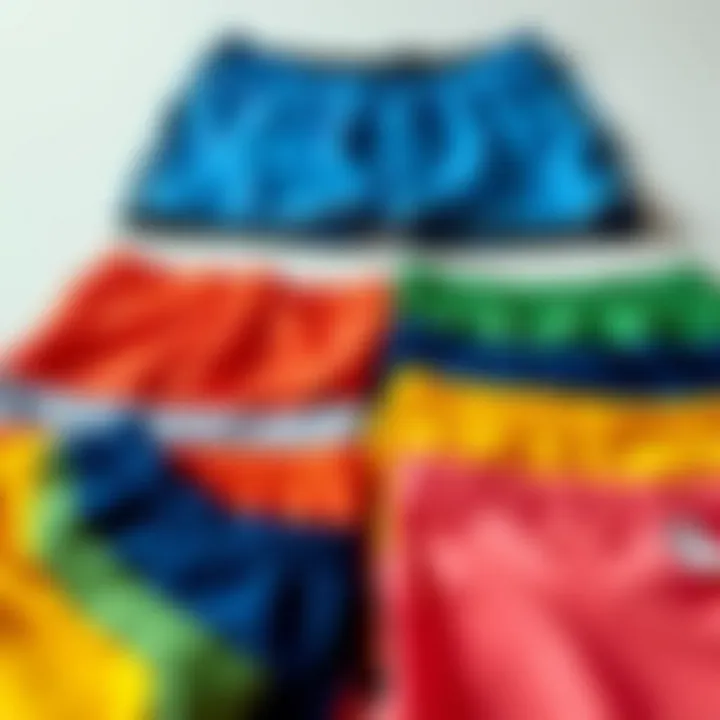
In sum, short-length trunks are a great option for runners who prioritize mobility over full coverage.
Long-Length Trunks
Long-length trunks extend down toward the knee, providing additional coverage and support. This style can be especially beneficial in cooler weather or for those who prefer more modest options while running.
- Advantages of Long-Length Trunks:
- They help reduce friction against the skin, which decreases the likelihood of chafing. This is essential for longer runs where movement can lead to irritation.
- Offering extra warmth, they can be ideal for early morning runs or cooler environments.
- Also, these trunks can come with packed pockets for convenience to hold small items such as keys or energy gels which makes them functional for longer distances.
Although long-length trunks provide several benefits, it's important to ensure they are not too loose. A proper fit helps prevent issues with overheating and ensures comfort throughout the run.
"Choosing the right style of running trunks can greatly influence your overall running experience, impacting both comfort and performance."
Factors to Consider When Choosing Running Trunks
Choosing the right running trunks is no small feat; it involves a fine balance of various factors that directly impact comfort and performance. Unlike a one-size-fits-all approach, understanding individualized needs is crucial. Below, we delve into key considerations that can help you make an informed decision when selecting your ideal pair of running trunks.
Individual Fit and Sizing
Fit is paramount when it comes to running trunks. A pair that feels comfortable can make the difference between a good run and a painful ordeal. Here's the lowdown:
- Body Shape: Bodies come in all shapes and sizes. Whether you're lean, muscular, or somewhere in between, different brands offer varied fits. Knowing your measurements can help in choosing the right size.
- Waistbands: Pay attention to the type of waistband. Some runners prefer an elastic band that sits snugly, while others might opt for adjustable drawstrings that provide a customized fit.
- Length Options: With different lengths available—from short to long—select the one that complements your running style. Too short can lead to exposure and discomfort, while overly long trunks might hinder movement. Trying them on before hitting the pavement is essential.
"A perfect fit isn’t just about sizing; it’s about how the garment adapts to your body and movement."
Intended Use and Environment
The environment in which you plan to run significantly influences the type of trunks you should choose. Consider the following aspects:
- Temperature Regulation: If you're running in hot weather, look for trunks that wick moisture and enhance breathability. Conversely, for cooler climates, consider those offering additional support or protection.
- Surface Conditions: Trail running may require a sturdier fabric that can withstand rough terrain, while road running might appreciate lighter materials. Each setting asks for a different level of functionality.
- Activity Level: Are you a casual runner or do you participate in intense training sessions? Tailoring your choice to your activity goals can help optimize comfort and support.
Budget Considerations
Finances can be a significant factor when selecting running trunks. However, price doesn’t always equate to quality. Keep these points in mind:
- Value Over Cost: It’s wise to invest in trunks that offer durability and performance over cheaper, lower-quality alternatives. Look for features that support your running habits, even if they come at a higher price point.
- End-of-Season Sales: You can find excellent deals from brands during off-season sales. Being patient might just get you premium trunks at a fraction of the price.
- Reviews and Recommendations: When in doubt, tap into the community. Join forums like reddit.com or running groups on social media, and gather feedback on various brands and models.
The Role of Running Trunks in Performance
When engaging in running or any vigorous physical activity, the type of attire chosen can significantly influence not only comfort but also overall performance. Men's running trunks serve a pivotal role in enhancing the running experience by addressing specific performance-related elements. As fitness enthusiasts seek to optimize their workouts, understanding the functionality of running trunks becomes paramount. This section dives into how these garments protect against common irritants while also aiding in quicker muscle recovery.
Protection Against Chafing
Chafing is a concern that numerous runners face. It can occur when skin rubs against itself or against clothing, leading to painful friction injuries. Running trunks, designed with smooth seams and careful fabric choices, are an essential tool in combatting this pesky issue.
The right pair of running trunks minimizes the likelihood of chafing, especially in high-friction areas like the inner thighs and groin.
- Material Matters: Many trunks feature materials like polyester or nylon blends, which wick moisture away from the skin, thereby reducing the chances of irritation. Fabrics with some stretch help in providing a snug fit without compromising on movement.
- Seam Design: Look for trunks that utilize flatlock seams—these seams lie flat against the skin, reducing chances of rubbing during long runs.
- Fit and Length: A pair of well-fitted trunks should contour to the body without being too tight. This aspect is crucial since overly tight clothing might create friction. Choosing the right length, be it short or more extended styles, can also play a significant role in comfort; shorter options may be more prone to movement-induced chafing based on personal anatomy.
"When you run, comfort is key. Pain from chafing can take the joy out of a good workout. Choose wisely!"
Support for Muscle Recovery
After a strenuous run, the body's muscles need the right support to recover effectively. Men's running trunks can play a part in this recovery process through compression properties and muscle support.
- Compression Features: Trunks that offer compression promote better blood circulation during and after runs. Improved blood flow can help in reducing muscle soreness and speeding up recovery time. Compression wear often targets specific muscle groups, which aids in stabilizing them during physical activity.
- Moisture Management: As mentioned before, fabric that wicks away sweat keeps muscles cooler and drier, reducing the potential for fatigue. Additionally, some advanced trunks are engineered with cooling technologies, which can enhance comfort levels post-run.
- Breathable Fabrics: Airflow is vital for muscle recovery. Materials designed to allow ventilation help keep muscles from overheating, leading to more effective recovery processes.
Trends in Men's Running Trunks
As the world of fitness continues to evolve, so do the attire options available to athletes and casual runners alike. The trends in men's running trunks reflect not just style but also progress in design innovations and emerging technologies aimed at enhancing athletic performance. Understanding these trends is crucial for anyone keen on optimizing their running experience and ensuring that their gear supports their physical activities.
The emergence of new materials and innovative designs has shifted the landscape of athletic apparel. From a performance standpoint, the right trunk can improve comfort, reduce distractions, and contribute to overall athletic performance. Many runners now look for gear that seamlessly combines functionality and aesthetics, resulting in garments that are not only practical but also visually appealing.
"What you wear can often influence how you feel and perform, so it’s important to choose the right gear that matches your training needs."
Innovative Designs


In the realm of running trunks, design innovation is piecing together functionality and a contemporary flair. Popular cuts now include not only traditional shorts but also hybrid styles that incorporate elements of both short-length and long-length trunks. This is not just about looks; the shape can greatly impact motion freedom, thus allowing a more natural stride.
Fabric pockets and strategically placed seams are also gaining traction. These pockets often secure essentials like keys and energy gels without interrupting the runner's rhythm. Additionally, the trend towards less intrusive seams aims to minimize the chance of chafing—a common issue during intense workouts.
Some noteworthy design elements include:
- High waistbands: For added support and comfort that helps avoid slipping during vigorous activities.
- Reflective detailing: Key for safety during low-light runs, these features make runners more visible to motorists.
- Color gradients and patterns: The aesthetic appeal is increasingly important, allowing runners to express personal style while hitting the trails.
Technological Advances
When it comes to running trunks, technology isn’t just a buzzword; it’s a game-changer. The integration of advanced moisture-wicking materials in modern trunks showcases how research informs practical applications. Fabrics that feature microfibers help manage sweat efficiently, offering a cooler sensation during runs. Runners can opt for materials infused with cooling technologies that aid in temperature control, allowing for optimal performance in stifling conditions.
Moreover, some recent advancements include the use of odor-eliminating fabrics. This is particularly beneficial for runners who log long miles. Instead of perpetuating a musk after a few wearings, these trunks keep the unpleasant smells at bay, which is a huge plus for fitness enthusiasts.
Key technological trends include:
- Seamless construction: Reduces friction against the skin, a crucial aspect for long-distance runners.
- Smart textiles: Some brands are experimenting with wearables that track biometrics right from your shorts. This cutting-edge tech is perfect for those who like to evaluate their performance metrics in real-time.
- Eco-friendly innovations: As sustainability gains prominence, many brands are coming out with running trunks using recycled materials or eco-conscious production techniques.
Care and Maintenance of Running Trunks
Taking proper care of your running trunks is just as crucial as choosing the right pair for your fitness journey. These specialized garments are designed to withstand the rigors of exercise, but how you care for them can greatly extend their lifespan and maintain their performance features. Regular cleaning and thoughtful storage ensure that your running trunks not only look good but also function effectively each time you pull them on.
Washing Guidelines
When it comes to washing running trunks, a little diligence goes a long way. Here are some practical steps to follow:
- Cold Water Wash: Use cold water to preserve elasticity and prevent shrinkage. Hot water can cause fabrics to lose their shape and fit.
- Gentle Cycle: Opt for a gentle machine cycle. This helps to minimize rough encounters between your trunks and other fabrics, which may lead to pilling or damage.
- Mild Detergents: Give harsh chemical-laden detergents a pass over. Instead, choose mild, eco-friendly detergents that won’t strip the fibers of their moisture-wicking properties.
- Avoid Fabric Softeners: Sounds counterintuitive, right? But fabric softeners can leave residues that clog the moisture-wicking capabilities of high-performance materials. Just stick to plain water instead.
- Air Dry: Avoid tossing your trunks into the dryer. Whenever possible, hang them out to dry. This not only prevents heat damage but also helps maintain the integrity of the materials.
By adhering to these guidelines, you'll keep your running trunks in top notch shape, ready to tackle your next 5K or marathon challenge.
Storage Recommendations
How you store your running trunks can affect their longevity and appearance. Proper storage prevents wrinkles and helps preserve the fabric's moisture management properties. Here are some tips:
- Avoid Crumpling: Don’t wad up your trunks and toss them in a drawer. Instead, fold them neatly and place them in your workout gear section. This avoids creases and maintains their shape.
- Use Breathable Bags: If you’re storing trunks for an extended period, consider using breathable fabric bags instead of plastic containers. This helps prevent moisture buildup and permits air circulation.
- Keep Away From Sunlight: Prolonged exposure to sunlight can fade colors and weaken fabrics. Store your trunks in a dark or shaded area to keep them looking fresh.
- Regular Checkups: Take a quick look at your garments every so often. This helps in catching any issues early on, like signs of wear and tear or unsightly smells.
In summary, caring for and maintaining your running trunks can make a world of difference in their performance and durability. A little effort goes a long way in ensuring these essential pieces of your workout wardrobe serve you well for years to come.
Recommended Brands and Models
When it comes to selecting men's running trunks, the choices on the market can often feel overwhelming. This section delves into the significance of recommended brands and models, which can serve as guiding stars in a vast sea of options. Understanding the qualities and commitments of various brands facilitates informed purchases, ensuring that fitness enthusiasts invest in the best clothing for their needs.
Performance-Focused Brands
Performance-focused brands hone their craft on creating running trunks that truly stand out in utility and design. They utilize state-of-the-art technology and insights from professional athletes to shape their products. Typical elements associated with these brands often include:
- Advanced Moisture-Wicking: Keeps the skin dry, essential for those heavy training sessions.
- Precision Fit: Engineered to prevent any movement that could detract from the running experience, these trunks fit like a glove.
- Durable Construction: Constructed with high-quality materials to withstand the rigors of frequent use.
Some noteworthy examples include:
- Nike: Known for innovative designs and performance enhancements, their running trunks are favored by many athletes for their cutting-edge fabric technologies.
- Under Armour: This brand focuses on flexibility and moisture management, perfect for lengthy runs.
- Brooks: Gaining recognition for its comfortable and supportive running apparel, often preferred for long-distance endeavors.
According to a 2021 survey published in Runner's World, nearly 75% of surveyed runners prioritized comfort and fit over price when selecting running gear. This underscores the value of investing in performance-focused brands that align with serious athletic pursuits.
Eco-Conscious Brands
In recent years, the dialogue around sustainability has intensified, leading to the rise of eco-conscious brands. These companies integrate environmentally friendly practices into their production methods, balancing performance with a commitment to ecological welfare. Their trunks often feature:
- Recycled Materials: Utilizing plastic bottles or discarded textiles, promoting a circular economy.
- Low-impact Dyes and Processes: Reducing wastewater and chemical use in garment production.
- Transparency: Many eco-conscious brands openly share their manufacturing processes and material sourcing, building trust within their communities.
Notable eco-conscious brands include:
- Patagonia: Famous for its sustainability ethos, this brand produces high-quality, durable running trunks with minimal environmental footprints.
- Allbirds: Though primarily known for shoes, Allbirds also offers running apparel crafted from natural materials.
- Tasc Performance: Specializes in bamboo fabric options that are soft and sustainable, attracting eco-minded consumers.
Epilogue
When it comes to men's running trunks, making the right choice can truly enhance one’s running experience. This article delves deep into the nuances of running trunks, from their various styles and materials to how they can significantly impact performance. Efficiency in choosing the right pair of trunks aids not just in comfort but also in preventing discomfort and distractions—ensuring runners can focus on their performance.
Summary of Key Points
- Key Characteristics: Fit, comfort, moisture management, breathability, and durability are crucial features that define the ideal running trunk. Exploring these attributes helps individuals understand what suits their unique needs best.
- Materials: Understanding the different fabric options—like nylon blends, cotton alternatives, and sustainable fabrics—enables informed choices aligned with personal values and performance requirements.
- Styles: Familiarizing oneself with compression, short-length, and long-length trunks is important. Each offers distinct advantages depending on the running conditions and individual preferences.
- Considerations for Choice: Factors like fit, intended use, and budget should guide selections to ensure the trunks fully support the runner's endeavors.
- Care and Maintenance: Proper care extends the life of running trunks, keeping them in top shape for many runs to come.
Final Thoughts on Choosing the Right Trunks
Choosing the right running trunks is not merely about style; it's about performance, comfort, and personal preference. By being equipped with the right knowledge, runners can select trunks that not only meet but exceed their expectations. Ultimately, the best running trunks are those that provide support, eliminate distractions, and allow a runner to concentrate fully on their stride and surroundings. In an arena where every detail can impact performance, investing in quality running trunks becomes a smart decision for anyone serious about their running journey.