
The Impact of Beverages on Weight Loss Strategies


Intro
In the quest for health and fitness, drinks often get overlooked, yet they can play a pivotal role in weight loss. Many individuals focus solely on solid food intake, neglecting how the beverages they consume can significantly impact their metabolism, appetite, and overall hydration. Understanding this dynamic relationship between drinks and weight management is essential for anyone keen on optimizing their health journey.
This article will dive deep into various beverages—ranging from the widely popular green tea to homemade smoothies—each with its unique potential for boosting metabolism or curbing cravings. Ingredients commonly found in these drinks will be assessed, including their potential benefits as well as any risks they might carry. We’ll provide practical recipes and expert tips on incorporating these drinks into your daily routine, helping you navigate your weight management, all while ensuring you're staying hydrated and energized.
Key Takeaways
- Different drinks can either enhance or hinder weight loss efforts, depending on their ingredients and nutritional profiles.
- Beverages like green tea and apple cider vinegar can boost metabolic rate and promote fat oxidation.
- Staying adequately hydrated is vital, as sometimes our bodies mistake thirst for hunger.
"Hydration is the key to a well-functioning metabolism. Often, we underestimate how water and other fluids play into our overall health."
Important Statistics
- A study published in the Journal of Clinical Endocrinology & Metabolism found that drinking cold water can temporarily increase metabolism by about 30% for 30 to 40 minutes following intake.
- The CDC suggests that nearly 60% of adults fail to meet their daily water intake recommendations, but many overlook the role of other hydrating drinks, resulting in missed weight management opportunities.
This exploration lays the groundwork for understanding the role of drinks in achieving effective weight loss. Each section builds on critical elements, providing a thorough examination and practical applications, ensuring you leave well-informed and equipped in your quest for a healthier life.
Prologue to Weight Loss Drinks
Understanding the role of beverages in weight loss efforts has gained traction recently, as more people look for effective, yet sustainable strategies to achieve their health goals. This section aims to set the stage for a comprehensive exploration of what weight loss drinks truly encompass, alongside their potential benefits and practical applications.
The very term "weight loss drinks" is often associated with a wide array of beverages, from teas and detox waters to protein shakes and health-enhancing elixirs. Key to recognizing their effectiveness is understanding not only their composition but also how they fit into an overall dietary regime.
Defining Weight Loss Drinks
Weight loss drinks can be described as beverages formulated to assist individuals in their weight management journey. They come with specific ingredients that promote either fat burning or appetite control.
Examples of these drinks include:
- Green tea, renowned for its catechin content, which may support metabolism.
- Protein shakes, commonly used to replace high-calorie meals, facilitating caloric deficit without sacrifice of nutrient intake.
- Herbal infusions, which may help in detoxifying the body, further contributing to improved metabolic rates.
While there is no one-size-fits-all definition, it’s essential to note that these drinks are typically low in calories and serve dual purposes: aiding in hydration and providing functional benefits that could influence weight loss.
Importance in Dietary Regimes
Integrating weight loss drinks into a dietary regime cannot be understated. They can effectively serve multiple roles, from enhancing hydration to providing crucial nutrients, depending on the beverage. This versatility is what allows individuals to personalize their dietary choices. Aside from boosting metabolic rates, these drinks can also contribute to improved digestive health and can even aid in proper nutrient absorption.
Moreover, as part of a balanced diet, these drinks offer an alternative to higher-calorie options often leading to unnecessary weight gain.
"The right drinks can act as allies in the battle against stubborn pounds, boosting both morale and weight loss simultaneously."
Incorporating these drinks into daily routines requires more than merely selecting a beverage. It's about understanding how they fit within your complete dietary landscape. A mindful approach to consumption can lead to more satisfying and sustainable results in weight management, nurturing not only the body but the mind as well.
In this analysis, we will peel back the layers of how different types of drinks function, their scientific backing, and how they can be best utilized for optimum benefits. Whether one seeks to boost metabolism, curb appetite, or simply stay hydrated, the drinks you choose can play a pivotal role in shaping your path toward effective weight loss.
Mechanisms of Weight Loss Drinks
Understanding the mechanisms of weight loss drinks is crucial for anyone looking to shed some pounds. These beverages do not just serve as delicious thirst quenchers; they carry a range of scientific principles that can play a role in achieving weight management goals. By examining how these drinks work, readers can make informed choices that align with their dietary strategies. Below, we delve deeper into the roles of boosting metabolism, suppressing appetite, and maintaining hydration, all of which are pivotal for effective weight loss.
Boosting Metabolism
The idea that certain drinks can rev up the metabolism is a hot topic in nutrition. A higher metabolic rate means that your body burns more calories, even at rest. Caffeine-rich drinks, like coffee and green tea, have been shown to elevate metabolic rates temporarily. This boost is not just about feeling energetic; scientifically, it relates to increased mobilization of fat from your tissues, a process that can lead to weight loss over time.
It’s not just about caffeine; the thermogenic properties of certain herbs found in teas can also aid in metabolic enhancement.
- Green Tea: Contains catechins which are believed to increase fat oxidation.
- Ginger Tea: Known for its warming effects which may enhance calorie burn.
- Yerba Mate: It not only uplifts mood but can also increase energy expenditure.
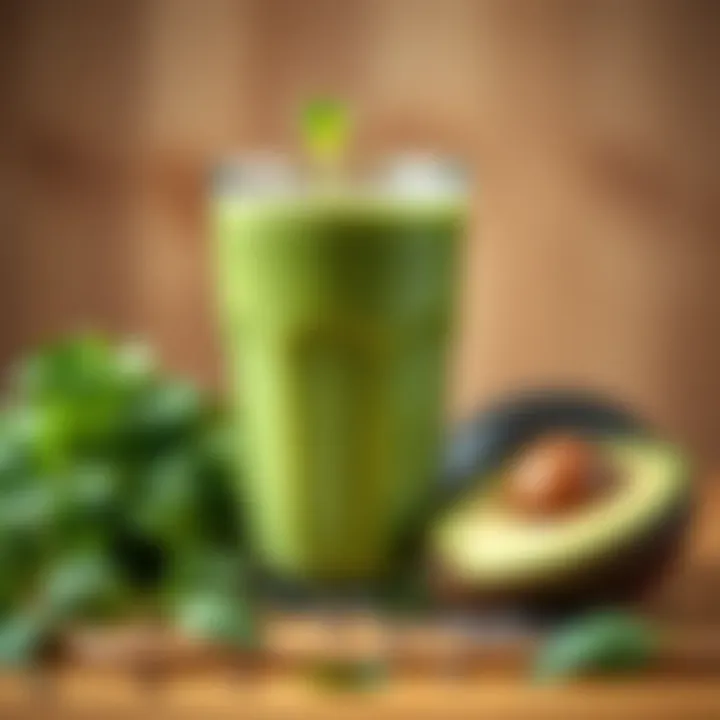
"Incorporating drinks that boost metabolism can serve as a valuable adjunct in comprehensive weight loss regimens, especially when complemented by a balanced diet and exercise."
Appetite Suppression
Another mechanism where weight loss drinks excel is through appetite suppression. Drinks that are high in fiber or protein can keep you feeling full longer, thereby reducing overall calorie intake. A prime example is a high-quality protein shake consumed before meals. It can lead to lesser cravings and lower energy intake throughout the day.
Herbal teas like peppermint and chamomile may also contribute to reduced appetite. They provide a warm, soothing sensation that may help curb the urge to snack mindlessly. Plus, their low-caloric nature ensures that you’re not adding unnecessary calories while trying to control hunger.
- Some effective strategies include:
- Starting the day with a nutrient-dense smoothie to reduce hunger before lunch.
- Sipping on herbal teas during the afternoon slump to ward off cravings for unhealthy snacks.
- Maintaining hydration, as sometimes thirst can be misinterpreted as hunger.
Hydration and Weight Management
Drinks play an integral role in hydration and weight management. Proper hydration is vital not just for overall health, but it can also enhance your body’s ability to metabolize fat. Water, in particular, is often overlooked yet one of the simplest mechanisms for aiding weight loss is simply staying hydrated. Drinking enough water can temporarily boost the number of calories you burn.
A study found that consuming about 500ml of water increased resting energy expenditure by approximately 30% for about 30-40 minutes.
On top of that, flavored water or infused drinks can make hydration less tedious. By adding slices of cucumber, lemon, or berries, the beverage becomes more palatable, encouraging increased intake.
Types of Weight Loss Drinks
Drinks can play a crucial role in weight loss by acting as substitutes for higher-calorie beverages while also promoting hydration. Understanding the types of weight loss drinks can be beneficial for anyone looking to augment their diet. Each category offers unique benefits and can easily fit into daily routines, making them an essential aspect of any weight management strategy.
Herbal Teas
Types of Herbal Teas
Herbal teas are widely regarded for their diverse flavors and potential health benefits. There are numerous types including peppermint, ginger, and chamomile. Each type possesses its own unique properties that can aid in weight loss.
- Peppermint tea is especially noted for digestive comfort, which is often an overlooked factor in weight management.
- Ginger tea can act as a metabolism booster due to its warm properties, possibly setting the body on fire—metaphorically, of course.
- Chamomile tea is popular for its calming effects, perfect for reducing stress-related eating.
Incorporating these teas into a daily routine not only adds variety but also aids in overall health. Their low-calorie count makes them a favorable choice for weight watchers, helping to reduce cravings without sacrificing flavor.
Preparation Techniques
Preparation is key to extracting the full benefits of herbal teas. Steeping times may vary and will affect flavor, strength, and potential health benefits. One common technique is to steep the tea in hot water for a shorter duration to create a milder flavor, or longer for a stronger infusion. It's beneficial to cover the tea while steeping to trap in the essential oils that are released during the process. This practice can greatly enhance the drink's health-promoting qualities.
However, one must be cautious about excessive steeping as it can lead to bitterness, altering the desired effect of the drink.
Health Benefits
The health benefits of herbal teas are manifold. They often contain antioxidants, compounds that can fight inflammation and benefit overall wellness. For example, they may improve digestion, enhance hydration, and help regulate metabolism. Herbal teas can also keep one feeling satiated due to their warm nature, acting as a buffer against the urge to nibble on high-calorie snacks.
It's important to note that one should ensure that they choose caffeine-free options if they drink herbal teas close to bedtime, as some versions can lead to sleep disturbances.
Infused Water
Ingredients for Infused Water
Infused water is an innovative way to keep hydration appealing while also reaping some benefits from fruits, vegetables, or herbs. Common ingredients include lemon, cucumber, mint, and berries. By using fresh produce, one can look forward to refreshing drinks without calories piling up.
These ingredients can complement each other well, such as pairing cucumbers with mint for a cool summer drink or using lemon for a zesty twist.
Flavor Pairings
When it comes to flavor pairings, the sky is essentially the limit. A classic mix could be orange and blueberry, providing a cheerful and appetizing visual. Or one might lean towards a more sophisticated blend such as rosemary and grapefruit, very good at lifting moods. Choosing the right pairings can actually make drinking water exciting, encouraging more frequent hydration which in turn helps metabolic processes.


Preparation Tips
To prepare infused water, simply add your chosen ingredients to a pitcher of water and allow it to sit in the fridge for at least a few hours. For quicker results, a short infusion time at room temperature may suffice, but longer steeping may yield more intense flavors. It’s vital to regularly change the ingredients to keep the variety going—the palate can get bored quickly.
Protein Shakes
Choosing Protein Sources
The source of protein in shakes can make or break their effectiveness. Options abound: whey, plant-based, or even casein. Each source offers unique advantages; for instance, whey protein may serve to rebuild muscle post-workout, whereas plant-based alternatives can be easier on digestion for many.
It is crucial to weigh protein content, added sugars, and potential allergens when choosing a shake, making sure it aligns with individual nutritional goals.
Recipe Ideas
With a plethora of recipes available, it isn’t hard to whip up a protein shake that suits any preference. A simple combination of banana, spinach, and almond milk can provide nutrients while keeping sugar at bay. Adding peanut butter can enhance the satisfaction factor, thanks to its healthy fats.
Considerations for Consumption
When it comes to protein shakes, timing and portions should be taken into account. It is essential not to underestimate the calorie content in shakes, which can creep up if not monitored. Consuming them as meal replacements may work for some, while others may prefer them as snacks between meals. Listening to how the body responds helps in determining the best approach for individual routines.
Overall, understanding the different types of weight loss drinks, from herbal teas to protein shakes, provides insight into effective strategies for weight management and enhanced health. Each type carries its unique properties and prepares users to make informed choices on what to incorporate into their daily diets.
Research Insights on Weight Loss Drinks
When considering the effectiveness of weight loss drinks, it’s crucial to ground our understanding in research findings. Studies have been conducted that shed light on how certain drinks can aid in weight management, yet individual results may vary significantly. This section highlights the importance of looking beyond anecdotal evidence.
"Scientific inquiry is the bedrock of a rational approach to nutrition."
Understanding how drinks interact with body processes can steer health professionals and individuals alike in making informed choices. Whether it’s through metabolic boosts, appetite suppression, or hydration, the effects of such beverages are multifaceted.
Studies on Efficacy
Several investigations have examined how certain drinks contribute to weight loss. For instance, a collection of trials indicates that green tea – rich in catechins – may elevate metabolic rates. In these studies, participants consuming green tea alongside their regular diet showed greater weight loss compared to those who did not. The polyphenols in green tea appear to facilitate fat oxidation and improve insulin sensitivity, making it an attractive option for individuals looking for natural aids in weight loss.
In addition to green tea, the potential benefits of apple cider vinegar have also sparked interest. A study published in the Journal of Functional Foods noted that the inclusion of apple cider vinegar in a diet led to reductions in body weight, body mass index (BMI), and waist circumference over a 12-week period. However, participants reported custmoldier effects, underlining the importance of moderation.
- Key findings from various studies may include:
- Green tea enhances fat oxidation.
- Apple cider vinegar may lead to significant weight loss when combined with a balanced diet.
- Hydration is key; water-rich drinks can lessen appetite and aid digestion.
Understanding Individual Responses
Every person’s body reacts differently to drinks aimed at weight loss. Individual responses can depend on a range of factors including genetics, metabolic rate, activity levels, and overall diet. For instance, while caffeine might have a beneficial effect on one person's metabolism, another may experience jitteriness that leads to decreased physical activity or increased caloric intake through snacks.
Moreover, psychological aspects play a significant role. For example, a person who enjoys flavored, infused waters might find themselves drinking more fluids, subsequently leading to better hydration levels. This can enhance feelings of fullness and may curb the urge to snack unnecessarily.
Additionally, dietary restrictions and preferences must be taken into account. A drink that works wonders for one demographic might be ineffective or even counterproductive for another. A detailed understanding of these individualized responses can guide health professionals when making tailored recommendations for clients and patients.
Ultimately, it’s clear that research presents a promising yet nuanced perspective on the role of drinks in weight management. The quest for effective weight loss solutions continues to unfold, as new studies emerge and refine our understanding further.
Practical Applications
In the realm of weight management, understanding practical applications of drinks designed for weight loss is crucial. These drinks can serve not only as dietary supplements but also as integral components of a holistic approach to health. Their role extends beyond mere caloric reduction; strategically incorporating these beverages into daily life can enhance effectiveness and sustainability in weight-loss efforts.
Incorporating Drinks into Daily Routine
Timing and Frequency


Timing and frequency of consuming weight loss drinks is a key consideration for those aiming to shed pounds. Planning helps create a rhythm to one’s day while optimizing benefits. For instance, drinking green tea or herbal infusions first thing in the morning can trigger metabolism after a night's rest, setting a positive tone for the day. Moreover, maintaining consistent intervals between serving these drinks throughout the day can help regulate hunger signals, making it an easier task to avoid unhealthy snacking.
The key characteristic of timing and frequency lies in the ability to create a steady intake of beneficial compounds without overwhelming the body. This approach is popular among health nuts due to its simplicity and the comfort it brings. However, overdoing the consumption of certain drinks—like caffeinated beverages—might lead to restlessness or tension, which can sometimes counteract the weight-loss benefits. Finding that sweet spot is essential.
Combination with Meals
Pairing weight-loss drinks with meals can be an effective way to amplify their potential. Using beverages like infused water or protein shakes alongside breakfast, for example, can enhance feeling full and satisfied. This polished method allows individuals to consume fewer calories overall, as they feel less need to reach for additional servings. It’s all about making drinks not just an accessory, but a staple in one’s meal plan.
The unique feature of combining these drinks with meals is the synergistic effect it often produces. Nutrients from food can work hand-in-hand with compounds in the drinks to optimize absorption and utilization in the body. Nevertheless, some may find that their stomachs get overwhelmed if they don't choose complementary flavors. Selecting agreeable mixes is an advantageous strategy for the best taste experience.
Monitoring Effects
Self-Assessment Techniques
Keeping tabs on how one’s body reacts to different weight-loss drinks is invaluable for those intent on tailoring their approach. Self-assessment techniques can help individuals identify what works and what doesn’t for their unique metabolism and lifestyle. For instance, journaling daily fluid intake—including these drinks—can reveal trends, patterns, as well as emotional connections tied to eating and drinking habits.
This key characteristic not only promotes a deeper understanding of one’s nutritional intake but can also serve as a motivational tool to remain on track. The practice of assessing effects is gaining traction among those who lead active lifestyles; documenting experiences can foster accountability. However, it’s crucial to approach self-assessment without undue pressure. Focus on an overall perspective rather than single details for broader insights.
Adjustments to Diet
Let’s not forget that the incorporation of drinks into a weight-loss regimen may require some fine-tuning. Adjustments to diet should consider other meal components as well as the drinks themselves. Shifting the balance of certain ingredients can amplify effects. For example, if a particular infused water recipe isn't yieldings expected results, tweaking the ingredients or portions can reveal more success.
The beneficial aspect of adjusting diet is the flexibility it offers. It allows individuals to adapt to their body’s changing needs, ensuring that the weight-loss endeavor remains effective and achievable over time. The balancing act may sometimes be delicate; sudden changes might lead to temporary discomfort if one's body takes a moment to catch up. It’s about gradual shifts that can lead to long-term gains.
Embarking on a weight-loss journey requires more than just diet; it’s a holistic approach where practical applications of drinks can make a tangible difference.
Risks and Considerations
The incorporation of drinks into weight loss strategies can be tempting, but it’s vital to acknowledge the potential risks involved in such practices. Understanding the nuances of how these drinks interact with one’s body can help mitigate adverse outcomes while maximizing their effectiveness. In this section, we will spotlight two critical considerations: potential side effects and the dangers of over-reliance on drinks as a weight loss strategy.
Potential Side Effects
While many weight loss beverages claim to provide a boost in fat-burning capabilities, they can also come with unintended consequences. Some common side effects include:
- Digestive Issues: Many weight loss drinks, particularly those containing high levels of caffeine or herbal ingredients, can lead to stomach discomfort, nausea, or even diarrhea if consumed in excess.
- Energy Fluctuations: Drinks high in sugar or artificial sweeteners may initially provide an energy boost, but this can be followed by a crash, leaving one feeling lethargic and craving more sugary substances.
- Nutritional Imbalances: Relying heavily on specific drinks may lead to inadequate nutrient intake if they are not balanced out with whole foods. Nutrient deficiencies can have longer-term consequences on health.
In particular, individuals need to pay attention to how their body responds to different drinks, as reactions can vary significantly from person to person. Keeping a food and drink journal can assist with identifying any adverse effects a drink might have when consumed regularly.
Over-Reliance on Drinks
Another area of concern is the potential for over-reliance on these beverages. Many people might find solace in the idea that a magical drink can lead them to their target weight without making necessary lifestyle adjustments. This mindset can be counterproductive for several reasons:
- Neglect of Whole Foods: Focusing too much on drinks can lead to an unbalanced diet, causing people to neglect essential whole foods that provide vital nutrients.
- Mental Dependency: Developing a dependence on weight loss beverages can create a mindset that trivializes the importance of regular meals and snacks, leading to potential binge eating or undereating.
- False Expectations: Many weight loss drinks advertise rapid results, but failure to observe meaningful changes might lead to discouragement and abandonment of healthy habits altogether.
Establishing a balanced approach where drinks complement a diversified diet instead of replacing it can lead to healthier outcomes in the long run. Practicing moderation is key, and being aware of one’s own habits can foster better decision-making behaviors related to weight management.
"Health is not just about what you eat or drink, but how you balance it all in your lifestyle."
End
In wrapping up this comprehensive analysis, it's crucial to recognize the pivotal role that drinks play in weight loss strategies. These beverages are not merely supplements; they can be a cornerstone of a well-structured dietary plan. The interaction between hydration, metabolism, and appetite management is extensive. This article has delved into how certain drinks can enhance the metabolic rate, suppress hunger pangs, and facilitate hydration—all essential elements for effective weight management.
Summary of Key Points
To revisit the main highlights:
- Metabolism Boost: Certain drinks can elevate metabolic rates, preparing the body to burn calories more efficiently.
- Appetite Control: Beverages like herbal teas and protein shakes can create a sense of fullness, helping to reduce overall calorie intake.
- Hydration's Role: Adequate fluid intake is crucial. Staying well-hydrated can improve metabolic functions and energy levels, integral factors in any weight loss journey.
- Variety of Options: Whether it's herbal teas, infused waters, or protein shakes, each drink offers unique benefits that can complement one's diet.
- Careful Monitoring: It’s important to track the effects of these drinks on individual weight loss journeys, as responses can vary greatly from person to person.
Future Directions in Weight Loss Strategies
The landscape of weight loss strategies is continuously evolving. Future approaches may focus on:
- Personalization: Tailoring drink choices to individual dietary needs and preferences might become a more prominent strategy in weight loss regimens. The integration of technology, such as apps that monitor hydration and caloric intake, could enhance the user experience.
- Research Expansion: Ongoing studies into the biochemical impacts of various ingredients found in weight loss drinks will help clarify their effects and guide consumers towards the most effective options.
- Education and Awareness: As the science behind weight loss drinks evolves, so too should public awareness. Training nutritionists and health professionals in the subtleties of drink-based weight management can position them to offer well-informed guidance.
- Sustainable Choices: The rising trend toward eco-conscious consumption may influence the trends around drinks—promoting organic, locally-sourced ingredients that contribute not just to health, but to the well-being of the planet.